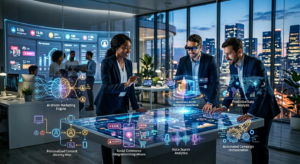
Digital marketing in 2026 feels very different from what it was just a few years ago. It’s no longer only about posting regularly or running ads—it’s about understanding people deeply and using smart tools to connect with them in a more meaningful way. Imagine walking into a store where the owner already knows what you like, shows you exactly what you need, and speaks to you in a natural, friendly way. That’s exactly what digital marketing is becoming online.
One major shift is the growing presence of artificial intelligence. AI is now like a behind-the-scenes assistant helping marketers create content, analyze data, and make better decisions faster. Instead of guessing what might work, businesses can now rely on data-driven suggestions. For example, a small business owner can use AI tools to generate captions, design ads, and even decide the best time to post. This not only saves time but also improves results because decisions are based on real user behavior.
At the same time, personalization has become more important than ever. People don’t want to see random content—they expect content that feels like it was made just for them. Imagine how Netflix suggests series depending on whatever you usually watch. That same idea is now used in marketing. Brands study user behavior and create messages that match individual interests. This makes people feel understood, which naturally increases engagement and trust.
Another major shift is how content is consumed. Short-form videos continue to dominate because they match how people use their phones today—quick, fast, and easy. A short 15-second video can often communicate more effectively than a long article. It’s similar to how a quick conversation can sometimes be more impactful than a long speech. Because attention spans are shorter, brands are focusing on creating content that delivers value instantly.
Search behavior is also changing. Users aren’t just depending on traditional search engines anymore. Many now search directly on platforms like YouTube, Instagram, or even AI tools. For example, instead of typing “best restaurants” into a search engine, someone might search on Instagram to see real photos and reviews. This means businesses need to be visible across multiple platforms, not just websites.
Shopping has also become more seamless with the rise of social commerce. Users can now discover a product and buy it within the same app without ever leaving it. Imagine seeing a product in a video, liking it, and purchasing it in just a few taps—that convenience is changing how people shop. It reduces the steps between interest and action, which leads to more sales.
Despite all these technological advances, one thing has become very clear—people value authenticity more than perfection. Perfectly refined ads are not always effective anymore. A casual video shot on a phone can sometimes connect more with audiences than a professionally produced advertisement. This is because people relate more to content that feels genuine and human.
Privacy has also become a major concern. Users are more aware of how their data is being used, and they prefer brands that are transparent and respectful. Trust is becoming a key factor in digital success. If people feel their data is safe and respected, they are more likely to engage with a brand.
Another interesting trend is the rise of AI-driven search results, where users get answers instantly without needing to click on websites. This means content creators must focus on providing clear and valuable information that can stand on its own. It’s no longer just about getting clicks—it’s about delivering real value quickly.
Community building is also gaining importance. Instead of just focusing on followers, brands are creating smaller, more engaged communities through platforms like WhatsApp groups or private forums. This is similar to building a group of loyal customers who genuinely care about the brand, rather than just attracting random attention.
Finally, interactive experiences like augmented reality are making marketing more engaging. People can now try products virtually, like seeing how a pair of sunglasses looks on their face using their phone camera. This reduces uncertainty and makes the buying process more fun and confident.
In simple terms, digital marketing in 2026 is a mix of smart technology and human connection. While tools and platforms are becoming more advanced, the core idea remains the same—understand people, build trust, and provide real value. Brands that can balance both technology and authenticity are the ones that will truly stand out.
iam a freelance digital marketer from kannur and I am also capable of handling and executing these strategies effectively for businesses that want real growth.